
Social Housing Website Design
Cude Design designs and develops WordPress websites for housing associations, social housing organisations and charities working across the housing sector. From accessible resident information and complex content structures to integrations, secure areas and ongoing support, we build websites around the needs of residents, staff and other stakeholders.
Discuss Your Housing WebsiteHousing Association Website Services
We design and develop housing association websites around residents, staff and other stakeholders, with a focus on accessibility, clear information and straightforward content management.
Accessible Web Design
We design with accessibility in mind, using clear navigation, readable content structures and layouts that work well with keyboards and assistive technologies.
Resident Information
We structure websites so residents can quickly find important information about repairs, rent, support, policies, tenancy and other housing services.
Secure Resident Areas
Where required, we can develop secure areas for residents or staff to access restricted information, documents or functionality.
Third-Party Integrations
We can connect WordPress with housing systems, CRMs, forms, payment services and other platforms where suitable APIs or integration options are available.
WordPress Content Management
We build websites that internal teams can update without relying on a developer for routine content changes.
Ongoing Support
WordPress maintenance, hosting and further development are available after launch as services, content and technical requirements change.
Croydon Church Housing Association
Housing Association WordPress Website Redesign
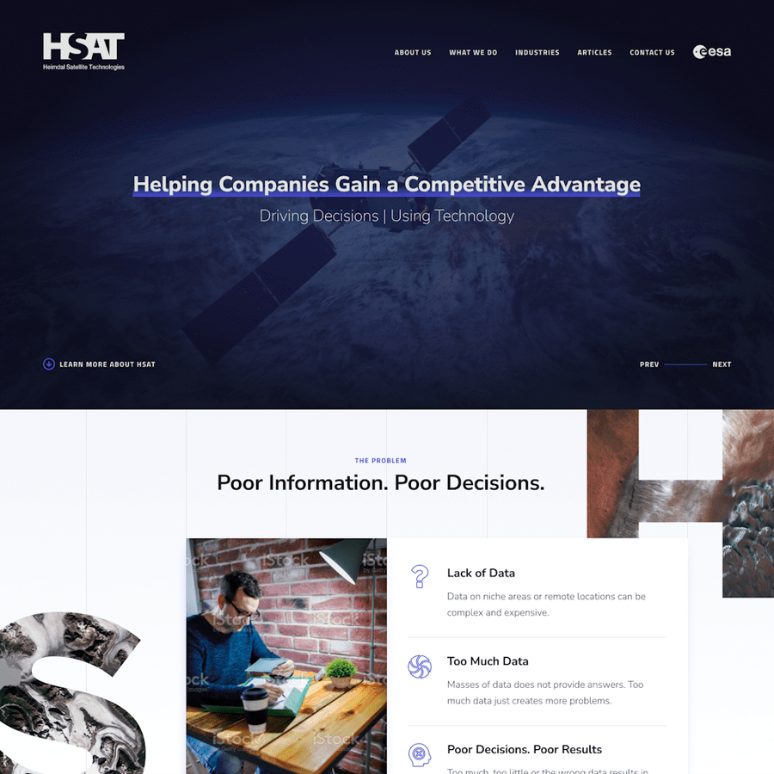
Croydon Church Housing Association needed a new website that made important information easier for residents, applicants and other stakeholders to find.
We redesigned and developed the website in WordPress, improving the structure, navigation and presentation of key housing information while giving the internal team a more flexible platform for managing content.
The project focused on making the site easier to use across devices and creating a clearer route to important services, documents and support information.
What We Did
WordPress Web Design, WordPress Development, UX Design, Information Architecture
Client Success Stories
A Specialist WordPress Design Agency
Cude Design has more than 16 years of experience designing and developing WordPress websites for organisations across the UK.
For housing associations and social housing organisations, we focus on clear information architecture, accessibility and practical functionality that makes important services easier for residents to access and simpler for internal teams to manage.
Our team can manage the entire project, from planning and UX through WordPress development, integrations, launch, and ongoing support, including resident portals, CRM connections, and more complex website requirements.
Accessibility Built Into the Website
Housing association websites need to work for residents with different abilities, devices and ways of accessing information. Accessibility should therefore be considered throughout the site’s structure, design, and development rather than added at the end of the project.
We design clear navigation, readable page layouts, accessible forms and content structures that work well with keyboards and assistive technologies. Where required, we can develop the website towards WCAG 2.2 AA requirements and work with your team to identify areas that need particular attention.
Accessibility also improves the experience for everyone using the website, making essential information such as repairs, rent, tenancy support and contact details easier to find and understand.
Online Services for Residents
A housing association website can offer residents more than information. We can develop secure resident areas and web portals that give users access to important services through a single online account.
Depending on your requirements, residents could use the portal to report repairs or other issues, access documents, make payments, submit forms or view information specific to their tenancy.
We can develop the portal around your existing processes and connect it with third-party platforms where suitable APIs are available, helping reduce manual administration while giving residents a more convenient way to access services.
Connect Website Enquiries With Your CRM
Housing association websites receive enquiries across repairs, tenancy support, applications, complaints and other resident services. Manually transferring that information between systems creates unnecessary admin and makes requests harder to track.
We can connect WordPress forms and website functionality to your CRM or other internal platforms, so submitted information moves into the systems your teams already use.
Integrations can be developed around different enquiry types, departments and workflows, helping the right information reach the right team while reducing duplicate data entry.
Straightforward Website Management With WordPress
Housing association websites often contain large volumes of information covering services, policies, resident guidance, news, documents and organisational updates. WordPress gives internal teams a flexible way to manage that content without relying on developers for routine changes.
We can structure the CMS around how your organisation works, with reusable page components, clear content types, and appropriate user permissions for different staff members.
For larger organisations, we can also support more complex requirements such as multiple departments, document libraries, custom functionality and integrations, while continuing to provide technical support and development after launch.
Housing Organisations We Work With
We design and develop websites for housing organisations with different audiences, services and internal requirements, from resident-facing information sites to more complex platforms and portals.
Frequently Asked Questions
How much does a housing association website cost?
A smaller housing association website using a premium WordPress theme typically starts at around £1,995 + VAT.
Larger bespoke projects involving resident portals, CRM integrations, custom functionality or more complex content structures would cost more depending on the scope.
How long does a housing association website take to build?
A straightforward housing association website typically takes about 4–6 weeks.
Larger projects involving accessibility requirements, multiple stakeholders, integrations or resident portals may take around 6–10 weeks.
Can you build a resident portal?
Yes. We can develop secure resident areas for services such as reporting repairs, accessing documents, submitting forms and making payments.
Where suitable APIs are available, the portal can also connect with existing housing systems or other third-party platforms.
Can you integrate the website with our CRM or housing system?
Yes. We can connect WordPress with CRM platforms and other internal systems where suitable integration options are available.
This can help route enquiries, reduce duplicate data entry and keep information moving between the website and internal teams.
Can the website be built to accessibility standards?
Yes. We design with accessibility in mind and can develop the website to meet WCAG 2.2 AA requirements where needed.
That can include navigation, forms, content structure, keyboard usability and compatibility with assistive technologies.
Can our internal team manage the website?
Yes. We build housing association websites in WordPress so internal teams can manage pages, policies, documents, news and other regular content without needing a developer for routine updates.
Do you provide ongoing support after launch?
Yes. We provide WordPress maintenance, managed hosting and ongoing development after launch.
Our maintenance plans currently start at £70 per month, with higher plans available if you need more support hours, hosting or further development.
Ready to Start Your Website Project?
Tell us what you need from your website and we’ll explain the best approach, likely timescale and expected cost.
