When your video freezes mid-play or the YouTube website won’t load, the first question that comes to mind is simple: Is YouTube down? You’re not alone. Millions of people around the world experience moments of panic when the world’s largest video-sharing platform suddenly becomes inaccessible. This guide will help you quickly determine whether you’re experiencing issues with YouTube or if the problem lies elsewhere.
Is YouTube down right now?
As of January 6, 2026, YouTube is not experiencing any large-scale, officially confirmed outages. Automated monitoring systems show consistent server response times, with pings ranging from 11 to 16 milliseconds over the past 24 hours, indicating healthy, responsive infrastructure.
That said, smaller region-specific issues can still occur even when there is no global outage. A user in California might be watching videos without trouble, while someone in York experiences slow loading or error messages. User reports in the last 24 hours show only a minor bump above the normal baseline, not enough to confirm a major incident affecting thousands of people.
This data comes from real-time outage trackers that combine automated server pings with crowdsourced user reports, along with social media monitoring that captures trending complaints. When YouTube goes down for a significant number of people, these tools detect the spike within minutes.
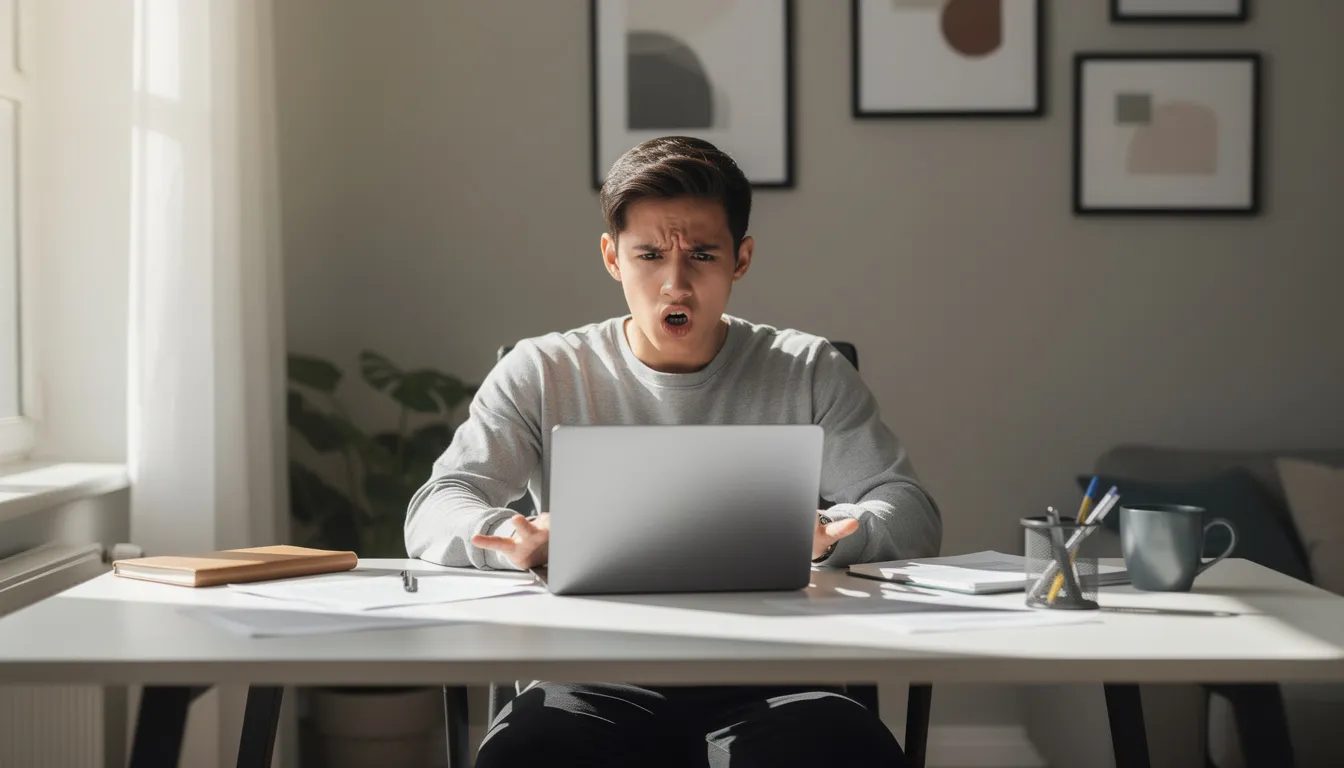
How to quickly check if YouTube is down
Before you spend time troubleshooting your own internet connection or devices, you can confirm whether YouTube is experiencing issues in under a minute using a few straightforward methods.
Start by visiting a real-time outage tracking site. These platforms display a 24-hour graph of user report volume over time. A flat line at the bottom means everything is working normally. A sudden spike, especially one climbing into the thousands, indicates that other users are also experiencing issues with the platform. Pay attention to the timestamps; a spike several hours ago that has since dropped suggests the issue may already be resolved.
Next, open X (formerly Twitter) and search for hashtags like #YouTubeDown or simply “YouTube down.” Filter your results by “Latest” to see the most recent posts. If dozens of people are posting complaints within the last few minutes, you can be fairly confident the problem is on YouTube’s side. If the most recent tweets are hours old, the outage may have passed or never existed at a large scale.
Try accessing YouTube on a different device. If videos load fine on your phone but not on your PC, the issue might be browser-related or specific to one device. Similarly, switch from your home Wi-Fi to mobile data. If YouTube suddenly works, your internet connection or router might be the culprit, not the service itself.
Finally, test other Google services, such as Gmail or Google Search. YouTube runs on Google’s infrastructure, so a broader Google outage would affect multiple services simultaneously. If Gmail also fails to load, you’re likely dealing with a broader platform-wide issue rather than something specific to YouTube.
Live YouTube problems and user reports
Real-time outage trackers display live status information that resembles a 24-hour bar or line graph. When this graph shows spikes in user reports rising above the normal baseline, it signals potential problems with the service. These spikes typically correspond with specific categories of issues that YouTube users commonly report.
The most frequent complaints involve video playback: videos that start but freeze, audio that plays while the screen stays black, or content that refuses to load past the spinning loading circle. App crashes on Android and iOS devices represent another significant category, along with errors on smart TVs and game consoles, where the YouTube app may display error messages or fail to open entirely.
When you view the breakdown of report percentages on these monitoring platforms, you’ll typically see around 60 per cent of complaints related to video streaming issues, 25 to 30 per cent concerning app problems, and 10 to 15 per cent involving server connection errors. This data is compiled from user-submitted complaints via the outage tracker’s website or app, automated pings to YouTube servers to check response times, and occasional references to Google’s own status pages when official statements become available.
Recent user reports: where and what is breaking
This section summarises the types of problems people have reported in the last 24 hours when accessing YouTube. Even during periods of general stability, scattered issues affect users in different locations.
Common complaints include videos freezing at the spinning loading circle after just a few seconds of playback. Users have also reported experiencing a login loop when switching between Google accounts, forcing them to repeatedly sign in without success. Another frustrating issue is that audio plays normally while the screen remains completely black, making it impossible to watch videos properly.
Resolution issues have also been reported in recent user reports. Some viewers find their video quality stuck at 144p or 240p even when connected to fast broadband, with the platform refusing to automatically upgrade to higher resolutions. This type of issue often indicates server-side problems with YouTube’s adaptive bitrate streaming rather than a local internet connection problem.
Reports have come from scattered locations, including London, Manchester, Glasgow, Birmingham, New York, Sydney, and Manila. This geographic distribution suggests regional rather than global issues. If you notice similar complaints on social media and outage trackers in your city or country, this strongly indicates a local or regional problem affecting your area, specifically, not just your device acting up.
Past YouTube outages and what caused them
Even a platform as massive as YouTube, backed by Google’s considerable infrastructure, has experienced notable outages over the past decade. These incidents serve as reminders that no service is immune to technical difficulties.
On October 16, 2018, YouTube suffered a global outage lasting approximately 90 minutes. Users worldwide found the site inaccessible, with pages failing to load and videos refusing to play. The cause was widely attributed to a server-side configuration failure, a change that went wrong somewhere in Google’s vast network of data centres.
November 11-12, 2020, brought another significant incident. Users encountered widespread video playback errors, many seeing the dreaded “An error occurred” message alongside black screens on both desktop and mobile devices. The outage affected YouTube Music and YouTube TV, indicating a shared upstream dependency in the platform’s architecture.
On December 14, 2021, access issues and timeouts affected a large number of people. While YouTube resolved the incident relatively quickly, the company did not provide a detailed public explanation of what caused the trouble. This pattern of limited transparency has been consistent throughout YouTube’s outage history.
More recently, on October 15, 2025, more than 360,000 users reported being unable to watch videos. The hashtag #YouTubeDown trended on X as frustrated viewers searched for information. YouTube later confirmed that services including YouTube Music and YouTube TV had been restored, but did not share a full root cause analysis.
Most YouTube outages stem from similar technical issues: internal server changes or updates that create unexpected problems, network routing difficulties that prevent content from reaching users efficiently, or overloaded infrastructure in specific regions during peak demand periods. The platform’s reliance on a globally distributed content delivery network means that failures in one data centre can cascade to affect users far beyond that location.
How to tell if it’s YouTube or your connection
Users often confuse local Wi-Fi issues with a full YouTube outage, leading to unnecessary frustration and wasted troubleshooting time. Before assuming the worst, run through a few quick checks to determine where the issue actually lies.
Start by refreshing the page and trying a different video. If one video fails but others play without issue, the problem might be with that specific piece of content rather than the platform as a whole. If multiple videos exhibit the same behaviour, the issue is more likely to be systemic.
Open YouTube in a different browser or try using Incognito or Private mode. Browser extensions, cached data, or corrupted cookies can sometimes interfere with video playback. If YouTube works perfectly in a fresh browser session, your regular browser settings might be the cause. Clearing your cache or disabling extensions one by one can help identify the culprit.
Restart your router and then quickly test a non-YouTube website like BBC, CNN, or Wikipedia. If those sites load slowly or fail entirely, your internet connection itself may be experiencing issues. Contact your internet service provider if the problem persists across multiple sites.
Switch from Wi-Fi to mobile data on your phone, or vice versa. If YouTube suddenly works on one connection but not the other, you’ve likely identified where the problem lives. A working mobile data connection paired with a failing home Wi-Fi strongly suggests router or ISP issues rather than YouTube downtime.
If only YouTube is failing while other sites and apps work perfectly, and outage maps show a spike of reports from other users in your area, the issue is almost certainly on YouTube’s side. At that point, waiting for the platform to resolve the problem is your best course of action.
What to do during a confirmed YouTube outage
When a major outage is confirmed through multiple sources, there is little users can do to “fix” YouTube themselves. The problem exists within Google’s infrastructure, far beyond the reach of any troubleshooting you might attempt at home.
Check YouTube’s official X account and the YouTube Help Center for updates. During significant outages, the platform typically acknowledges the issue and provides periodic updates on the restoration process. Following real-time threads on social media can also keep you informed, though you should be wary of rumours and fake “fixes” that circulate during these events. Some users post supposed solutions that range from ineffective to potentially harmful.
Avoid repeatedly signing out of your account, factory-resetting your devices, or reinstalling the YouTube app. These drastic troubleshooting steps rarely help during a platform-wide issue and may actually cause additional inconvenience. You’ll spend time reconfiguring settings and logging back in to services, without addressing the underlying problem.
If YouTube is vital for your work, whether you’re a content creator, marketer, or teacher, consider preparing backup plans for critical content. Alternative hosting platforms like Vimeo or Twitch can serve as temporary solutions. Sharing content through Google Drive links or other cloud storage services might help you meet immediate deadlines while YouTube remains inaccessible.
Most past YouTube outages have been resolved in under 2 hours. The platform’s engineering team works around the clock, and Google’s infrastructure includes redundant systems designed to restore service as quickly as possible. Patience, while frustrating, is typically rewarded with a return to normal operations before long.
Frequently asked questions about YouTube being down
How can I verify if YouTube is down just for me or for everyone?
The quickest method is to visit a real-time outage tracking website and check the graph of user reports over the past 24 hours. If you see thousands of reports spiking at the same time you’re experiencing trouble, the problem affects many people beyond just you. You can also search social media for recent posts mentioning YouTube issues. If others are complaining right now, you’re not alone.
Why does YouTube sometimes work on my phone but not on my smart TV?
Different devices use different versions of the YouTube app, and updates roll out at varying times. Smart TV apps often lag behind their mobile and desktop counterparts, making them more prone to bugs or compatibility issues after server-side changes. Additionally, smart TVs may have cached data that causes problems, while your phone app might be running a more recent, stable version.
Can YouTube go down only in one country, like the UK or Australia?
Yes, regional outages are quite common. YouTube’s content delivery network uses edge servers located around the world, and problems with servers in a specific geographic area can affect users in that region while the rest of the world experiences normal service. Past outages have shown concentrated reports in specific countries while users elsewhere remained unaffected.
How long do YouTube outages usually last?
Based on historical data, most YouTube outages resolve within one to two hours. Major incidents like the October 2018 global outage lasted about 90 minutes, while the more severe December 2025 event took until the following morning for complete restoration. Brief disruptions lasting 30 to 45 minutes are more typical for the platform.
Does YouTube compensate creators for downtime or lost ad revenue?
YouTube does not currently offer creators compensation for revenue lost during outages. The platform’s terms of service do not guarantee uninterrupted access, and downtime is considered an unavoidable aspect of operating a massive global service. Creators who depend heavily on YouTube revenue often diversify their income streams to mitigate the impact of occasional outages.
Key takeaways: Is YouTube down?
You can always verify YouTube’s status by checking real-time outage maps and social media for trending complaints. Comparing behaviour across different devices and networks helps distinguish between platform-wide issues and local connection problems. When a confirmed outage occurs, avoid drastic troubleshooting steps that won’t address server-side issues and only create additional hassle.
Occasional hiccups are normal for any online service handling billions of hours of video content. Large-scale outages, while disruptive when they happen, remain relatively rare and are typically resolved within a couple of hours. Bookmark a reliable outage tracker, and you’ll never be left wondering whether the problem is YouTube or your own connection.